
 1.1k
1.1k3 Comments
Next up
 doodles_
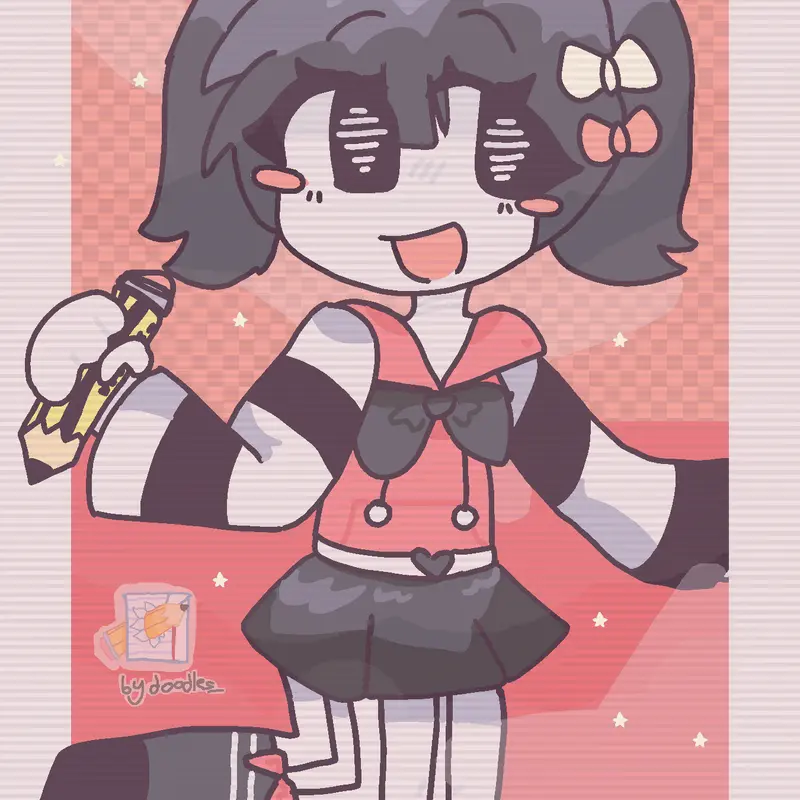
#art #fpe #fun #cool #cute #eating #fanart #artdeck #drawing #fanarts #mukbang #musashi #sprunki #doodles_ #lobotomy #beautiful #ace_leaves #musashiace #musashi_ace #fanartforyou #fanartcontest #sprunkihorror #fanart_contest #sprunkiincredibox
More #beautiful games ↓
Why do people steal
Reply

Fair use is a crucial concept in copyright law that allows the limited use of copyrighted material without permission. It permits activities such as criticism, comment, news reporting, teaching, scholarship, and research. The four factors that determine fair use are the purpose and character of the use, the nature of the copyrighted work, the amount and substantiality of the portion used, and the effect of the use on the potential market for the original work. Fair use is a flexible doctrine that balances the rights of the copyright owner with the public interest in accessing and using creative works. It promotes innovation, creativity, and the free exchange of ideas in society. Fair use is not a black-and-white rule but rather a nuanced consideration based on the specific circumstances of each case. It allows for the use of copyrighted material in ways that benefit the public good without unduly harming the rights of creators. Fair use is a defense against copyright infringement claim
Reply
Imagine stealing
Reply
More #beautiful games
Mine 2D v2@blockyt
Spirograph@dzgmer7
Polar Art@dzgmer7
Night sky - A hand-drawn masterpiece@-EXPERIMENT_1006-
Smelling smells you smelled as a kid@SerbianIdiot
Moon illusion@earth-official
(Remixes on!!!) Levitator vs Swordsman.@formosa
Turn this notebook into something beautiful.@hemilly_kitty