


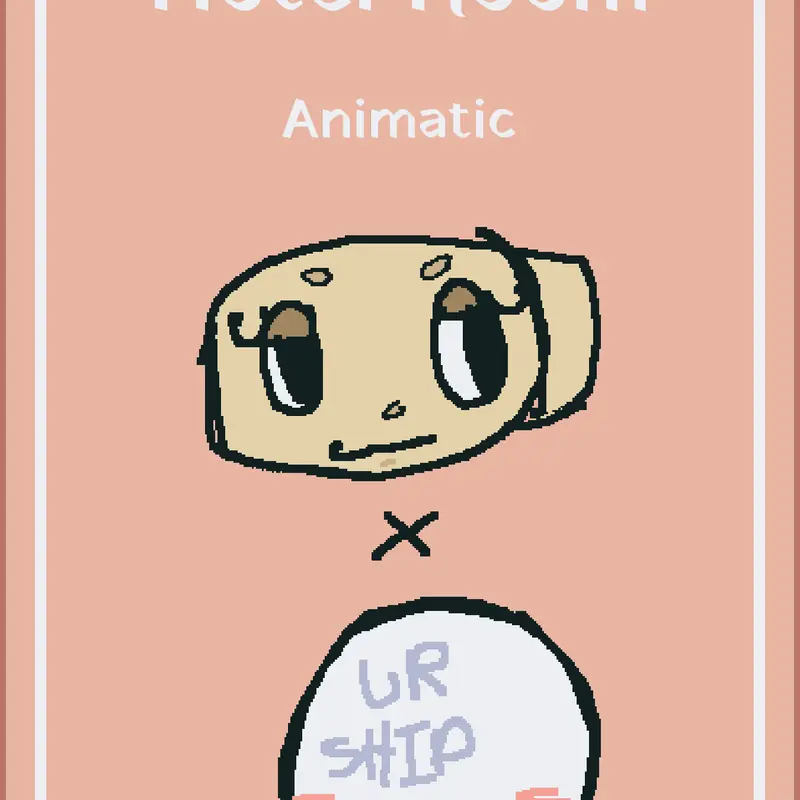
Dandy's World Shelly game
 3.8k
3.8k3 Comments
Next up
#shelly #dandysworld #dandy #astro #ship #remixororiwillfindyouraddressandkillyouinyoursleepandbakeyouintoacookieandsellyou #plsdontflop #boringdeck #animation #2026 #67isdead #tween #shellyfossilian #dontflopplzpspspsppspzlaaahg #oh #stopreadingthesetags
More #tween games ↓
Ahem.... Ignore this chanting. Dont flop. Dont flop. Don't flop. Don't flop. Don't flop. Dont flop. Dont flop. Dont flop. Don't flop. Dont flop. Dont flop. Dont flop. Dont flop. Don't flop. Dont flop. Dont flop. Àaaaaaaaaaaaaaaaaaaaaaaaaaaaaaaaaaaaaaaaaaaaaaaaaaaaaaææ
【Anime Crayon Trend】
Convert the provided photo into a whimsical children’s illustration
in the style of the attached reference artworks.
Facial features & proportions: Use rounded, childlike proportions
with large expressive eyes, small nose, and rosy cheeks.
Keep the facial structure consistent with the reference style.
Body proportions: Slightly exaggerated, playful, and simplified,
similar to picture book characters. Coloring & brushwork: Use
painterly strokes with visible textures, soft blending, and pastel tones.
The brush style should resemble traditional gouache/crayon or textured digital paint.
Consistency with photo: Preserve the original clothing, hair color, skin tone,
eye color, and accessories from
 2Reply
I 40% ship Vee with Shelly and 40% I don't the 20% is that I ship Shelly with no one 👁👅👁👍
1ReplyMore #tween games
KCitB (S3 LEADERBOARD!!)@A_Humanbeing
Verity Sprunki game@A_Humanbeing
Tweening Tutorial@xRaincandy_0
Princess by devi McCallion trend (fake...@Xister_fpe
Best day ever tadc verision@Ajan_XX
Tween tutorial@Elliotartistidk
Fake collab heheheheheheheheheheheheheheheheh...@Cananbest99
Fame is a gun@A_MaskedFigure