


 9.7k
9.7k7 Comments
Next up
 Rworld
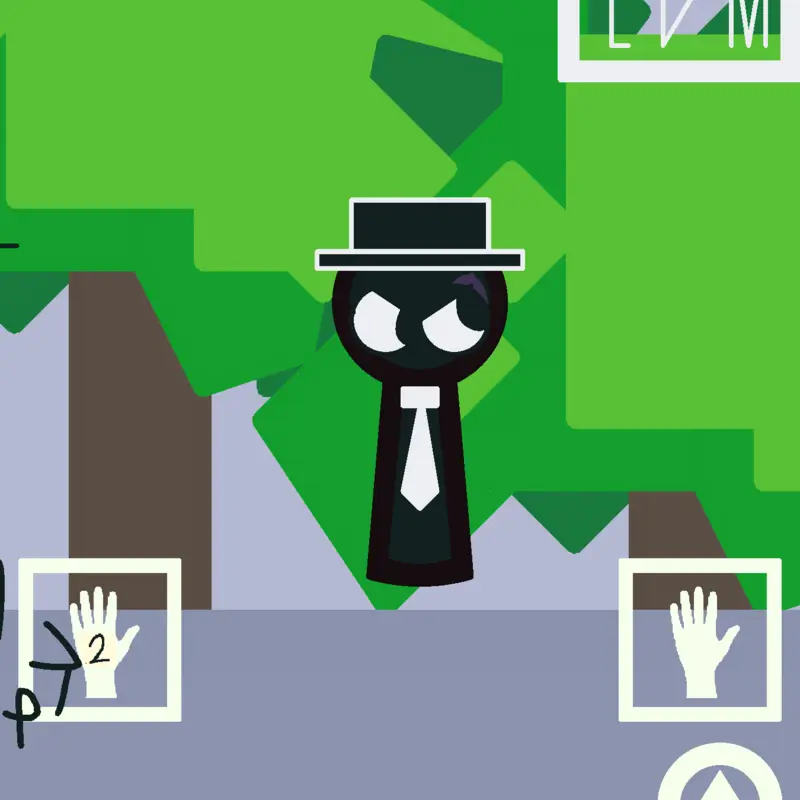
War of the tophats #cool #games #sprunki #blacksprunki had to add a roof and LDM mode for anti-lag:/
More #blacksprunki games ↓
MY POWER
Reply

Sans last breath:
Grass is a type of vegetation that belongs to the family Poaceae, also known as Gramineae. It is one of the most widespread and ecologically significant plant families on Earth, comprising over 10,000 species that thrive in a variety of climates and ecosystems, from lush tropical rainforests to arid deserts and even tundra regions. Grass has evolved over millions of years to adapt to diverse environments, making it one of the most resilient and versatile plant types in existence.
The defining feature of grass is its growth habit, characterized by narrow, elongated leaves and a hollow, jointed stem called a culm. These stems are often interspersed with nodes, from which leaves and roots emerge. The roots of grass plants are typically fibrous, allowing them to anchor firmly into the soil and absorb nutrients efficiently. This root structure also makes grass highly effective at preventing soil erosion, stabilizing landscapes, and improving soil health.
Grass can reprod
Reply

How the omni directional punch was created ig?
Reply


Reply

The strongest battlegrounds

Reply

Omg i love sprunki thanks (also goob its my favorite dandy world character)
Reply
More #blacksprunki games
Your Sprunki Game Lol@DaRealSecretary_Thres
Take care of jevin@N1N4
Deckie@Dob-
OMG MY BROTHER RARE FLOOGULL IS IN THIS@Gamer_Floogull
runner invasion@MHworker
youssefff2 omt@youssefff6
modded version (try killing wenda)@Totally_Not_Lying
beta test 5@Kazakhstan_guy