


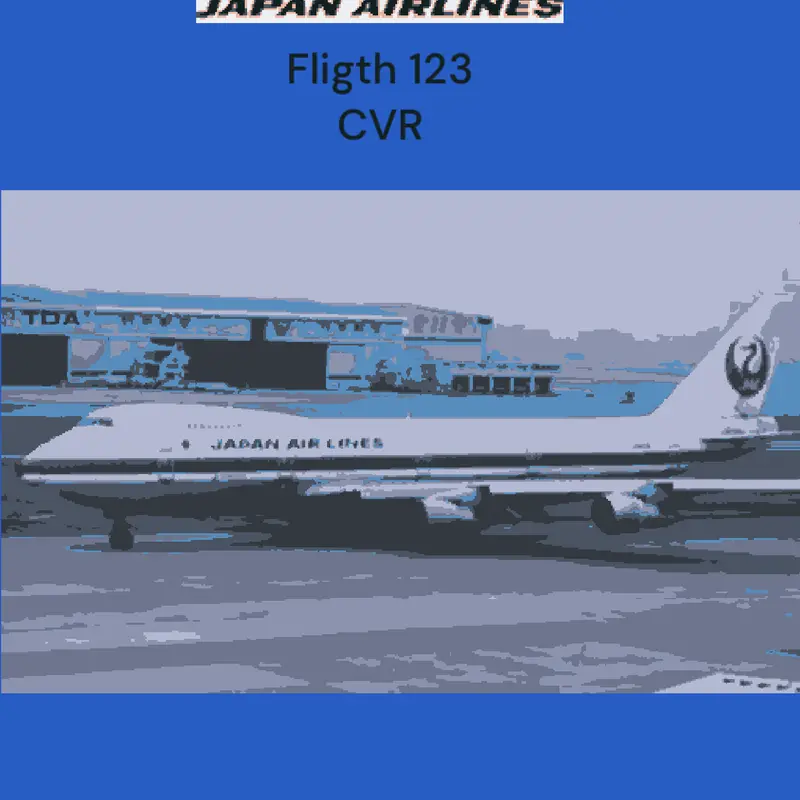
Jal 123 Cvr
 1.3k
1.3k7 Comments
Next up
#jal123 #cvr #planecrash Jal 123 CVR (rip for the victims)
More #planecrash games ↓
Rip all the souls who died within this aerial vehicles crash.
 1Reply
Rip to all the people onboard
1Reply
Kinda sad btw
1Reply
Japan Airlines Flight 123 crashed on August 12, 1985, because of an explosive decompression caused by the structural failure of a faulty repair to the plane's rear pressure bulkhead.
The primary chain of events and causes included:
• The 1978 Tailstrike: Seven years before the accident, the Boeing 747 suffered a tailstrike during a landing at Osaka International Airport, which damaged the aircraft's rear pressure bulkhead.
• Improper Repair: When Boeing technicians repaired the bulkhead, they used two separate splice/doubler plates instead of a single continuous plate with the required three rows of rivets. One plate only had a single row of rivets.
• Metal Fatigue Failure: Over thousands of subsequent pressurization and depurassurization cycles, metal fatigue weakened the improperly spliced joint until it could no longer hold the cabin pressure.
• Explosive Decompression and Loss of Control: Twelve minutes into the flight, the bulkhead ruptured, and escaping high-pressure air blew off
Reply

Do American airlines 5342
Reply
Use my sprite. Search into my channel to see jal123
Reply
More #planecrash games
Plane crash simulator@milado23
Crash plane@flighton0v
Plane crash@ThyNg
Torado@sitirohayati
Plane Crash Simulator@AratzAviation
old ahh game that I found@yeetus26_oortcloud
Plane@LXF_Airlines_official
plane engine testing@SBlock_Alt_Real